My Name is Camille and I LOVE the Dixon!
Play Video


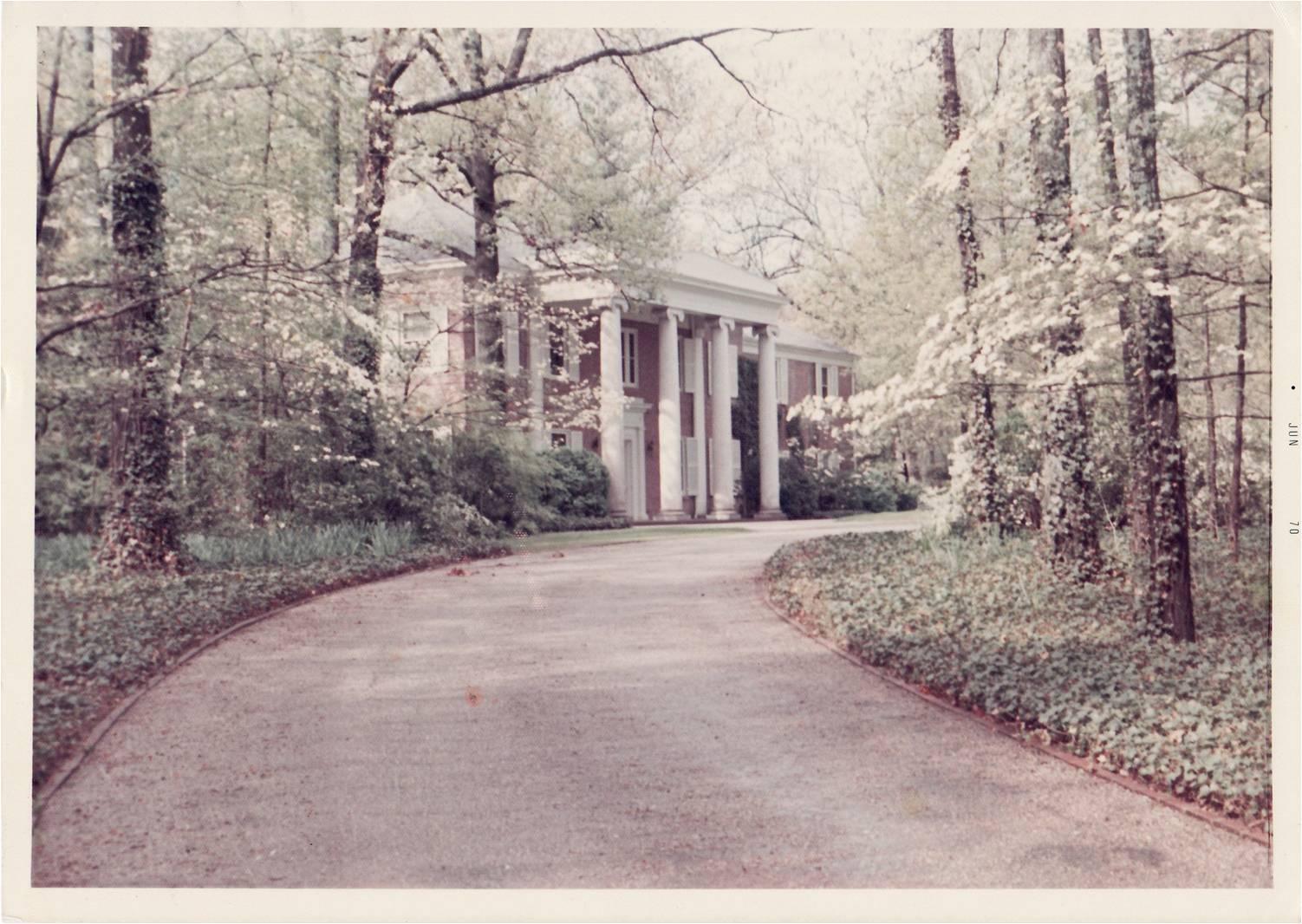
In 1976, the Dixon Gallery and Gardens officially opened to the public. That year marked several major milestones, including the return of nine paintings previously given to the Brooks Memorial Art Gallery under a two-year loan agreement, and the Dixon’s first art acquisition—Village Scene (ca. 1875) by Julien Dupré—gifted by Dr. and Mrs. Justin H. Adler. The Stout Camellia Collection was received in September, followed by the construction of the Stout Slathouse. In December, the Dixon broke ground on its first gallery addition.
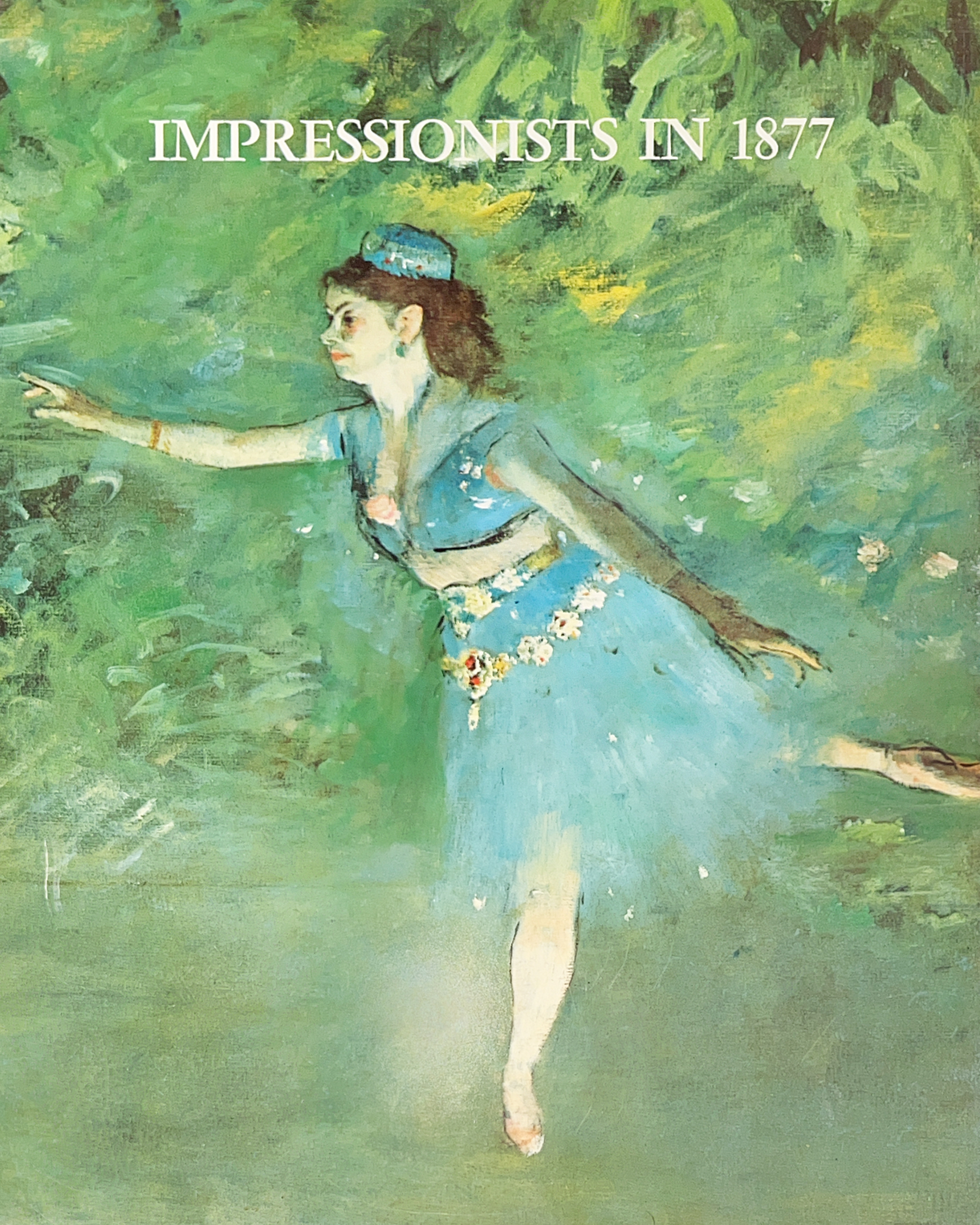
In 1977, the Dixon completed its first gallery expansion, opening the new space with the exhibition Impressionists in 1877. That year also saw the publication of the museum’s first collection catalogue, Dixon Gallery and Gardens, authored by founding director Michael Milkovich.
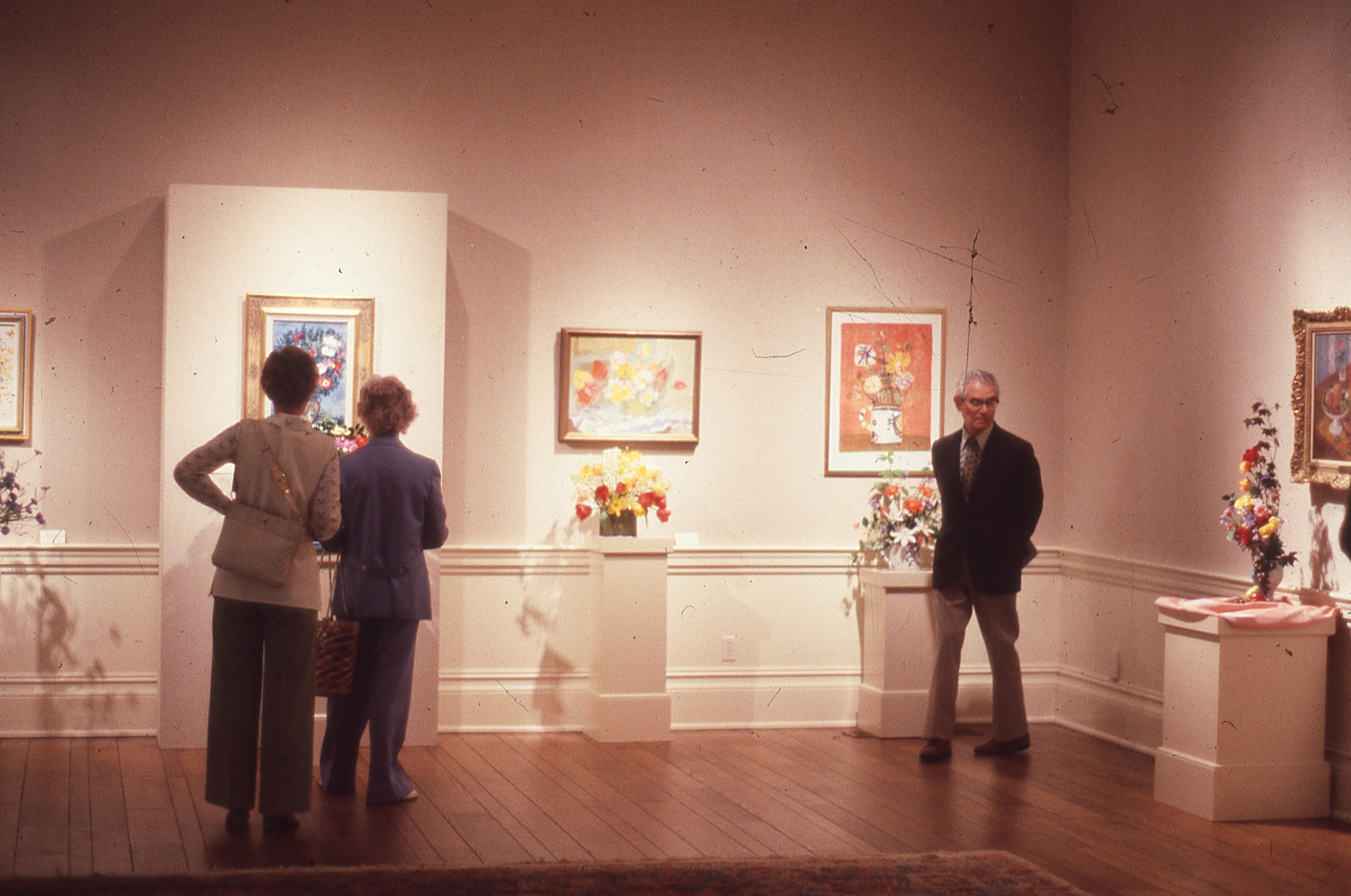
In 1978, the Dixon sent out its first newsletter to members in March, launching a new era of communication and engagement. In April, the museum hosted its first Flowers in Art show—an event that would evolve into the Memphis Flower Show. That year, the Dixon also acquired The Picture Book by Pierre-Auguste Renoir and received the Lida and Bill Black Greenhouse in June.
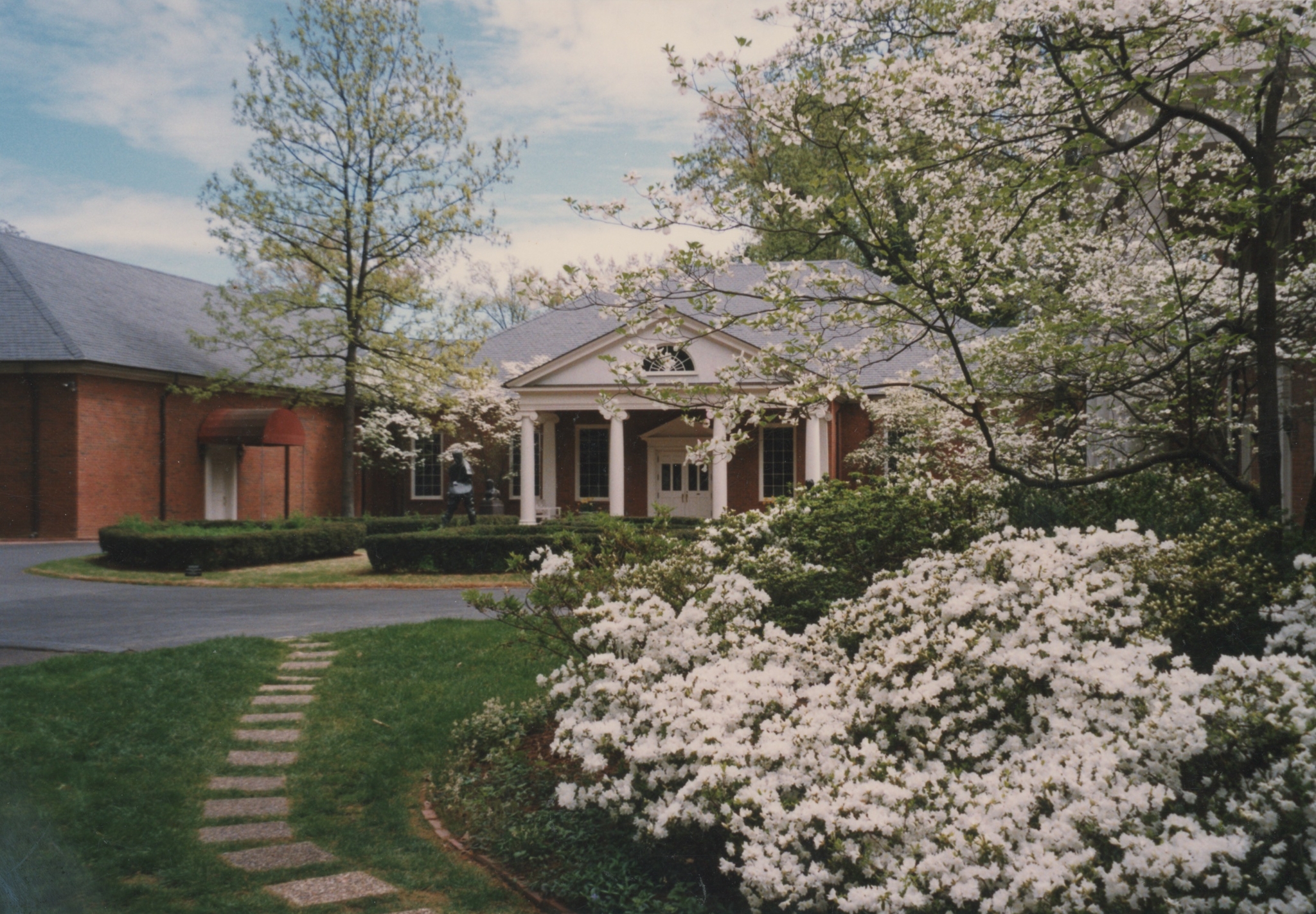
The 1,000th member joined The Friends of The Dixon Gallery and Gardens. Our membership program is still sustained to this day by our loyal supporters and friends. If you're not currently a member, we invite you to JOIN NOW.
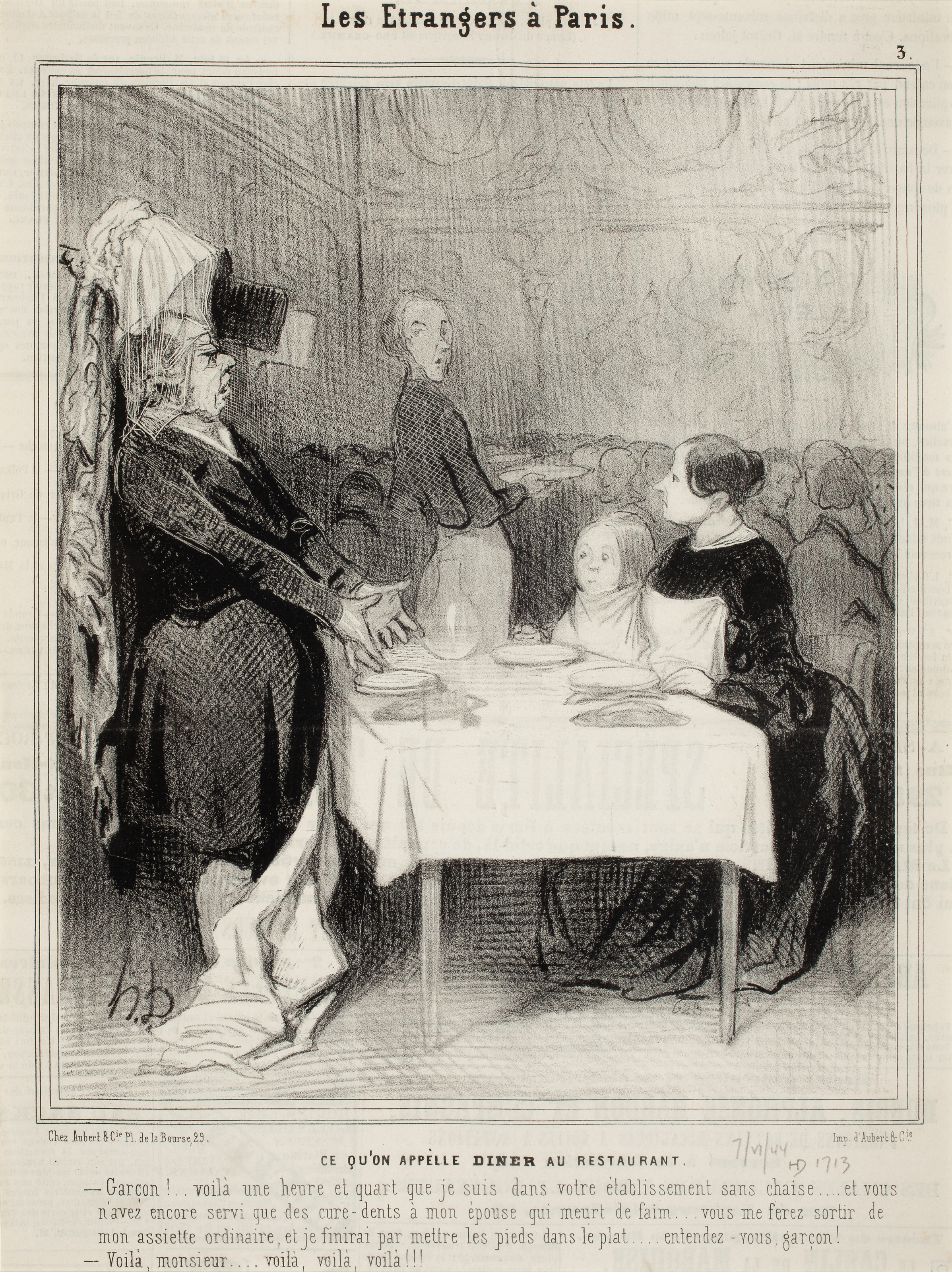
In 1982, the Dixon received a major gift of 100 lithographs by Honoré Daumier from Dr. Armand Hammer and the Armand Hammer Foundation. That spring, the Board of Trustees approved preliminary plans for a significant new gallery wing, and an architect was hired in May to design the expansion. In November, the museum dedicated new greenhouses generously donated by the Memphis Garden Club and the Cook family.
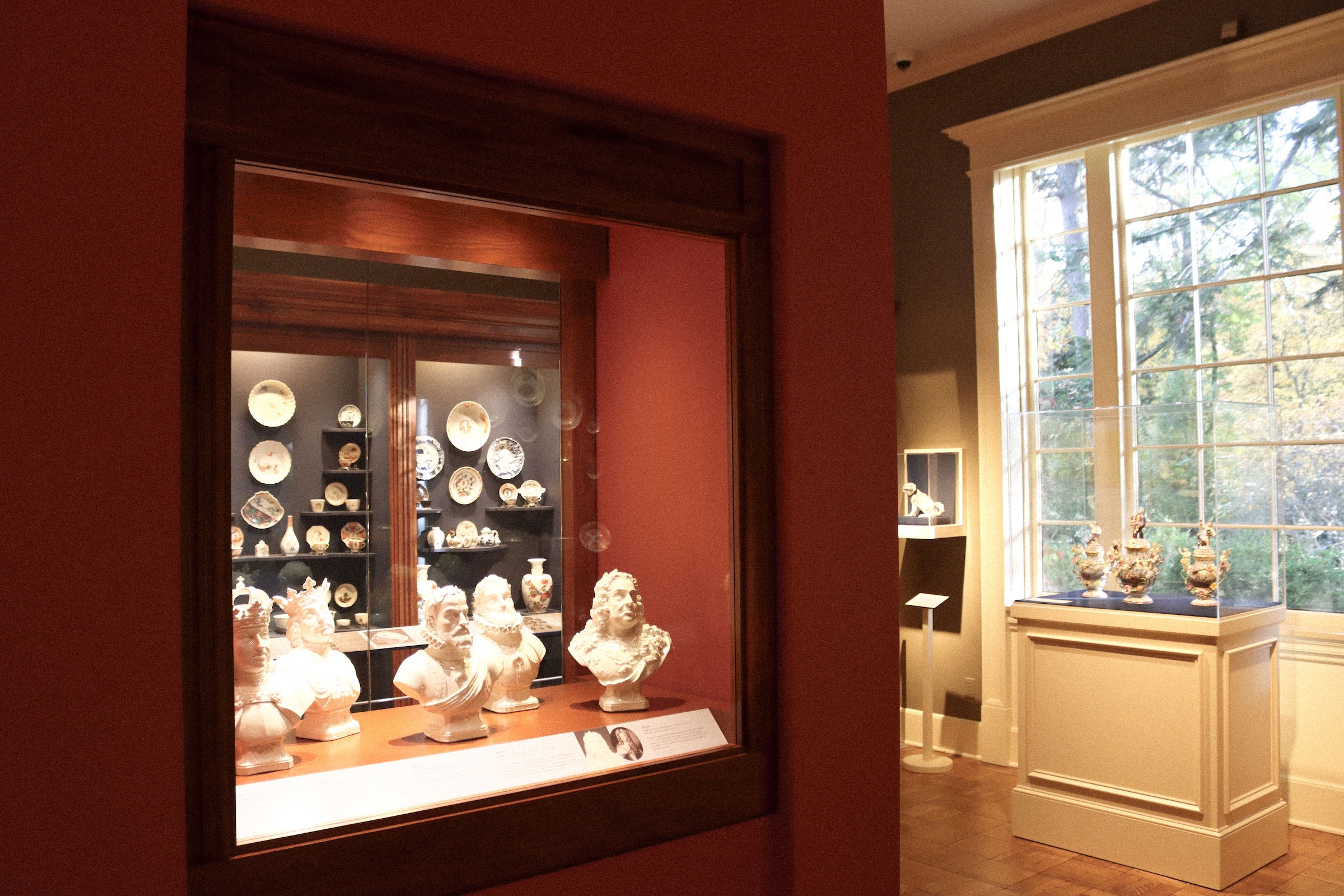
In 1985, the Dixon received a landmark bequest from Warda Stevens Stout—her world-renowned collection of eighteenth-century German porcelain—greatly enriching the museum’s holdings. In June, the Dixon broke ground on a major new wing, marking a significant step forward in its growth and expansion.
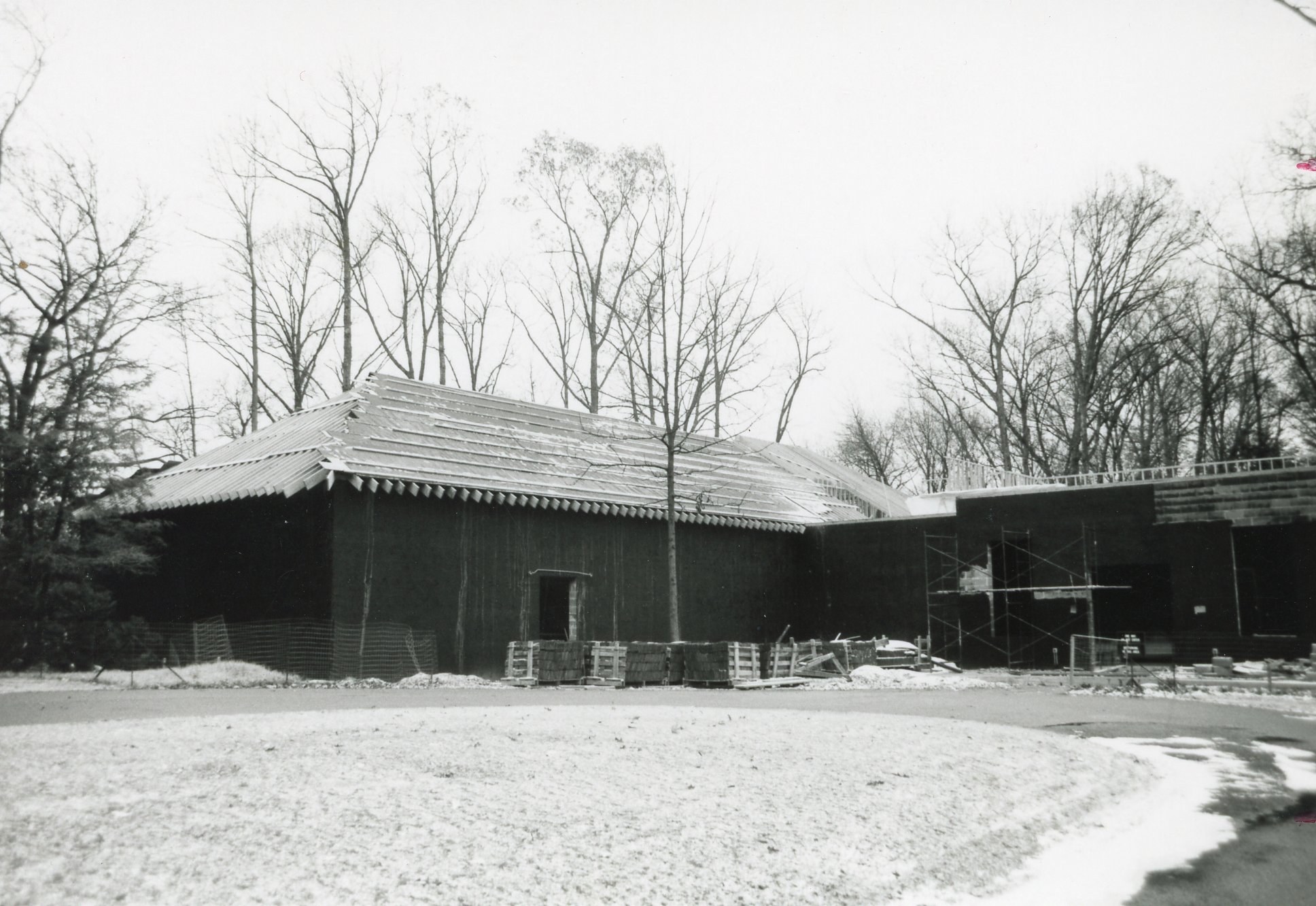
In 1986, the Dixon completed its second major expansion, adding new galleries, the Catmur Foyer, and the Winegardner Auditorium. To celebrate the occasion, Mrs. James D. Robinson purchased The Joyous Festival by Gaston La Touche for the museum—a painting that has remained a beloved fixture in the Catmur Foyer ever since. The new wing was formally dedicated with the opening of the exhibition Degas and His Friends.
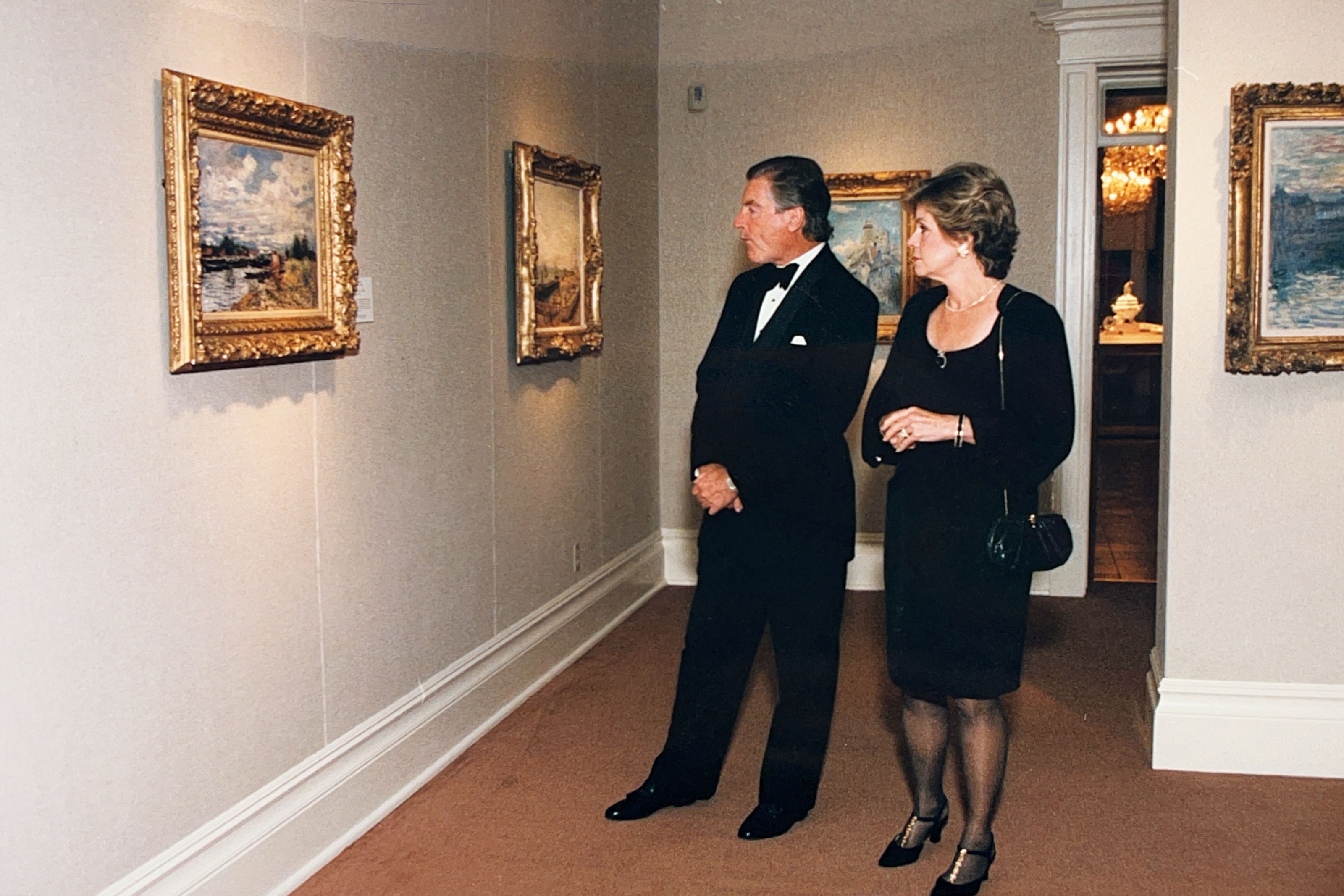
In 1991, the Dixon established the Life Member Society, which celebrated its founding with the group’s first art acquisition: Grainstacks, Giverny by Theodore Butler. That year, Dr. and Mrs. Justin H. Adler also donated their extensive collection of European and American pewter to the museum. Additionally, the Young at Art membership group was launched to engage supporters in their twenties and thirties.
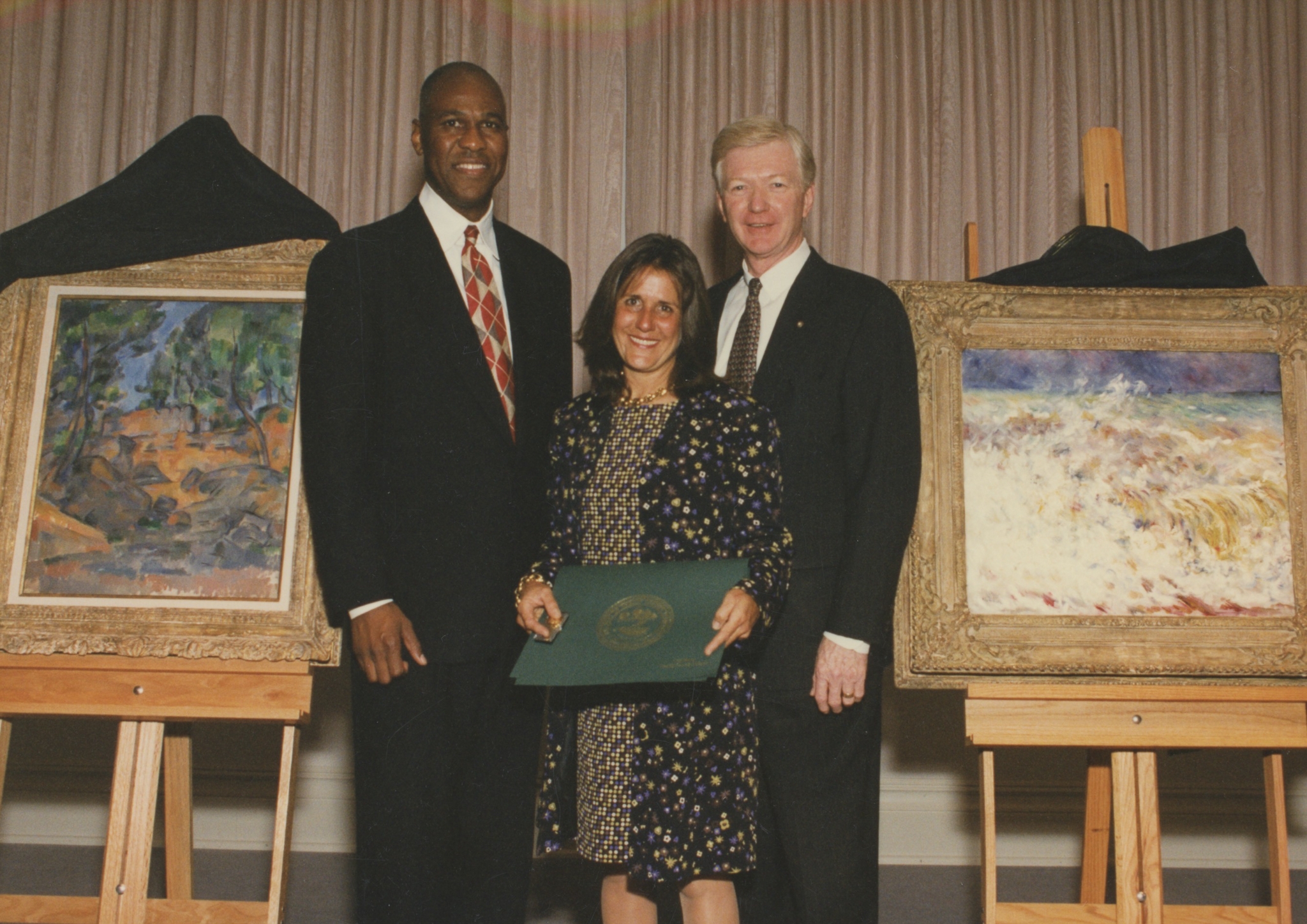
In 1998, the Dixon celebrated its 20th anniversary with the publication of a collection catalogue and marked a major acquisition—twenty-two Impressionist and Post-Impressionist paintings from Texas rancher and art collector Montgomery H. W. Ritchie and his daughter, Cornelia Ritchie. That same year, the museum hosted its first Art on Tap event.
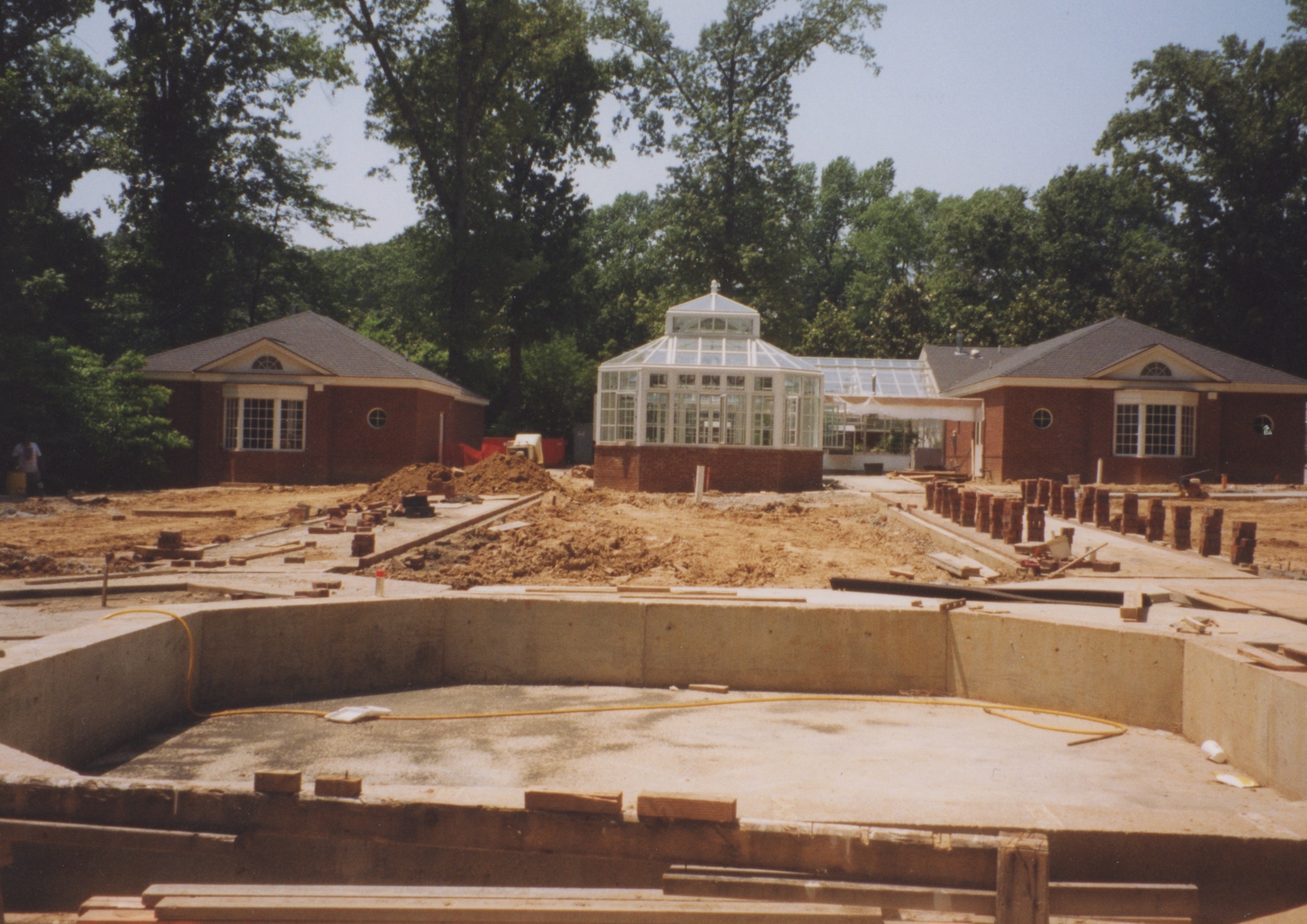
In 1997, the Dixon built the Memphis Garden Club Cutting Garden, creating a vibrant space for growing seasonal blooms to enhance the museum and grounds.
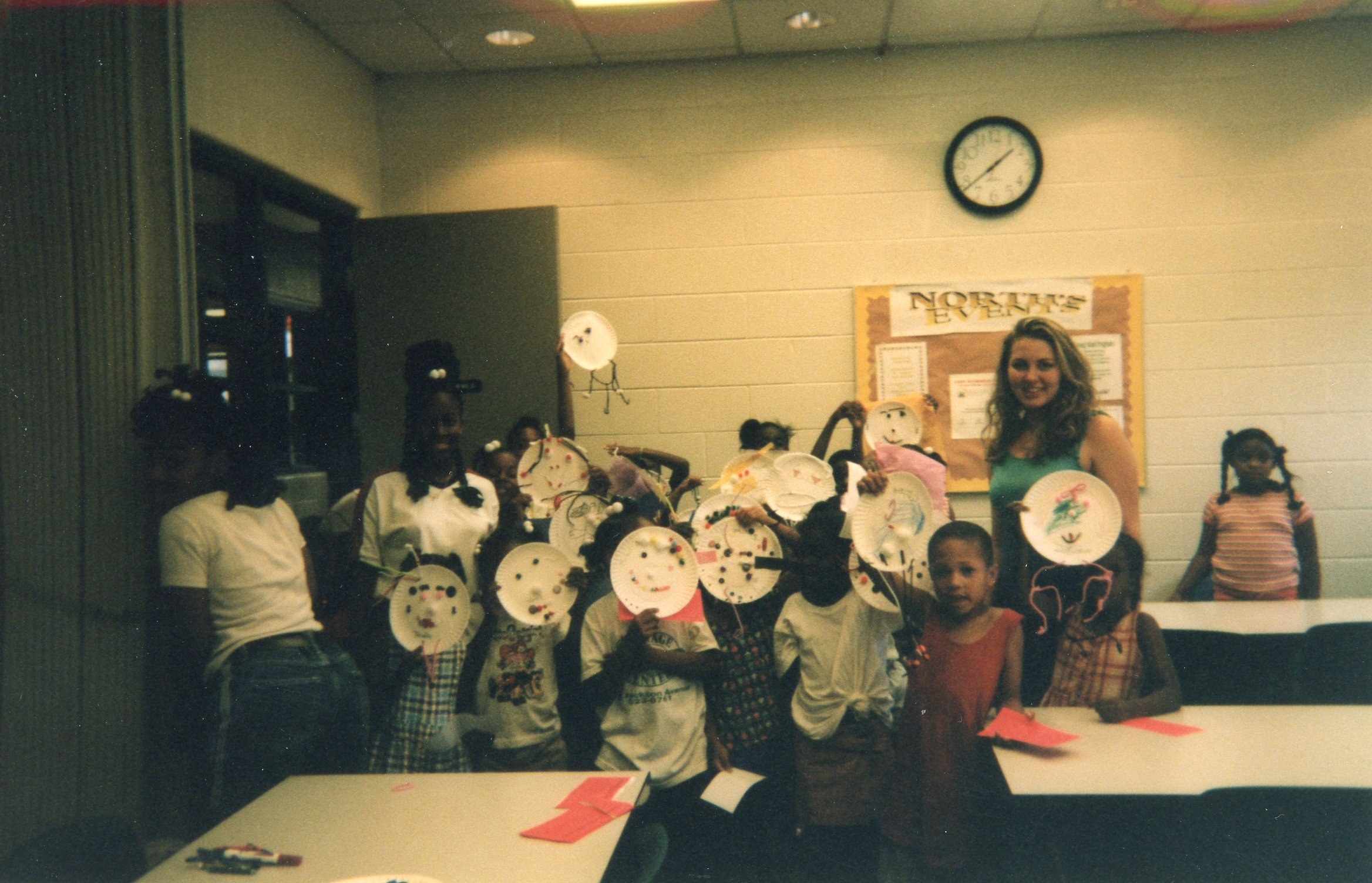
In 2000, with a grant from the Assisi Foundation, the Dixon launched Art-to-Grow, a program that brings a Dixon art educator to elementary schools and libraries across the city. That year, the Sara Lee Corporation also donated Dancer Seated on a Pink Divan by Henri de Toulouse-Lautrec as part of their Millennium Gift.
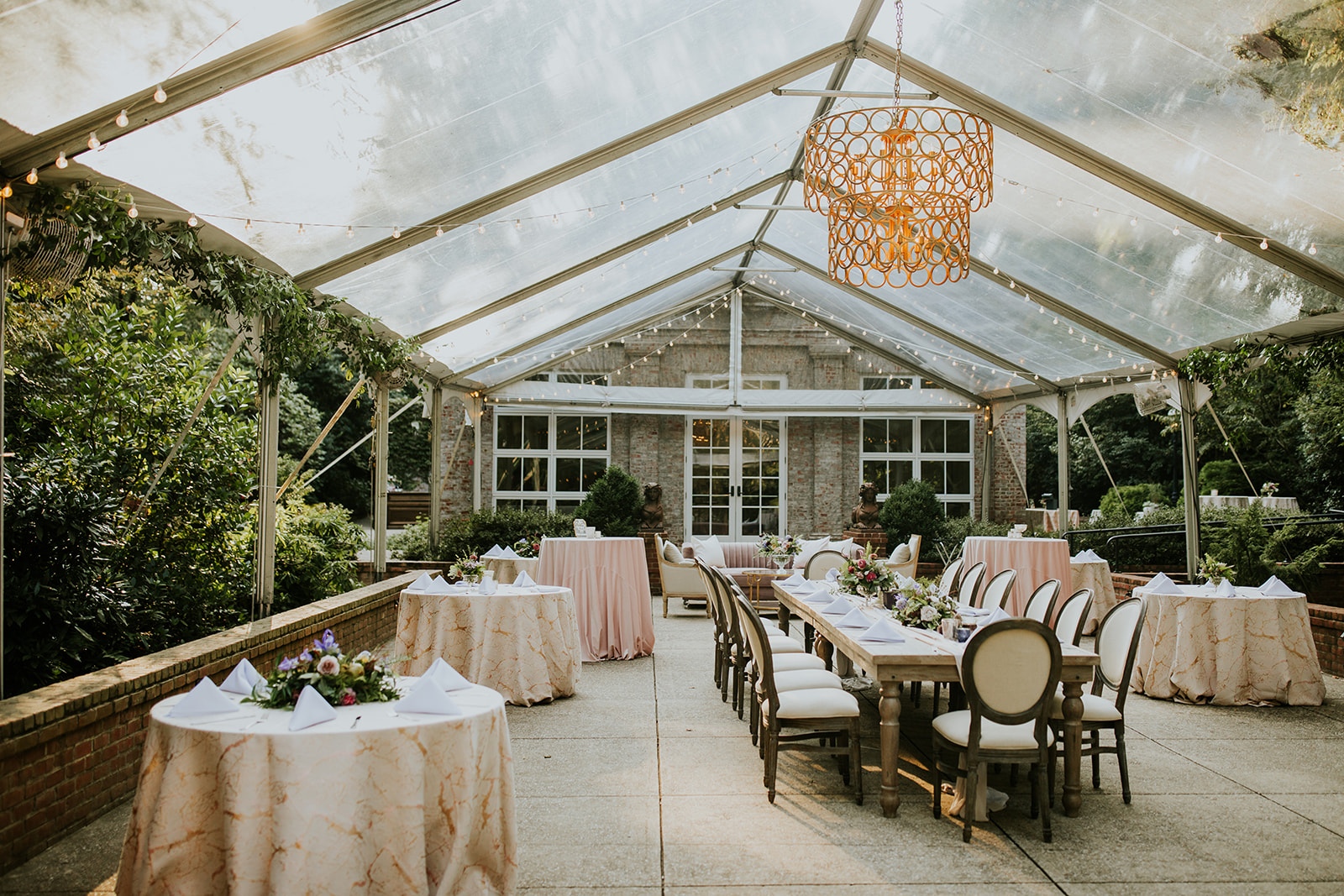
In 2003, the Dixon completed the Hughes Pavilion, a stand-alone building constructed over the Dixons’ former swimming pool, providing a unique new space for events and gatherings.
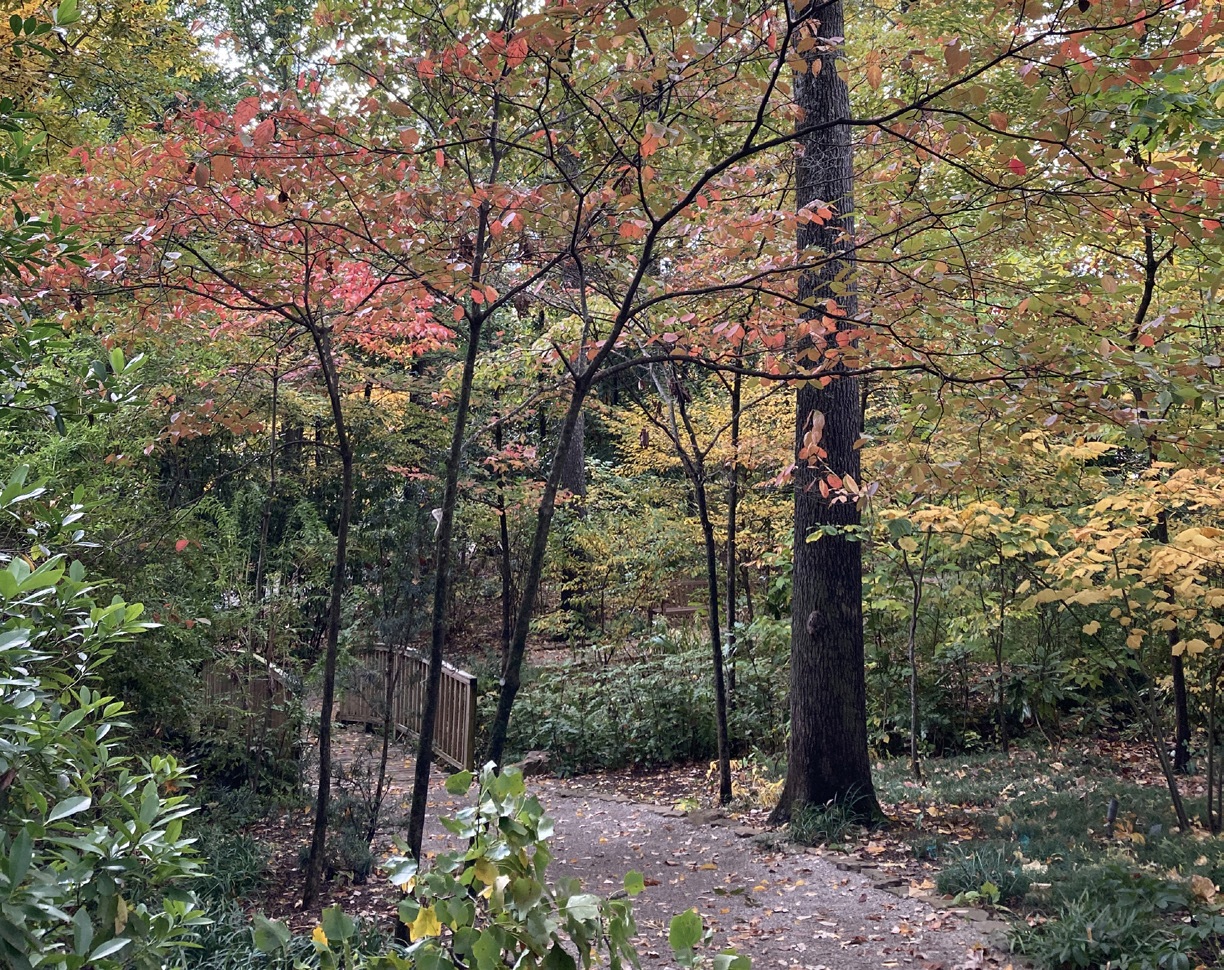
In 2006, the Dixon Gardens were designated an official arboretum site by the Tennessee Urban Forestry Council, and the museum launched the Cosmopolitans membership group.
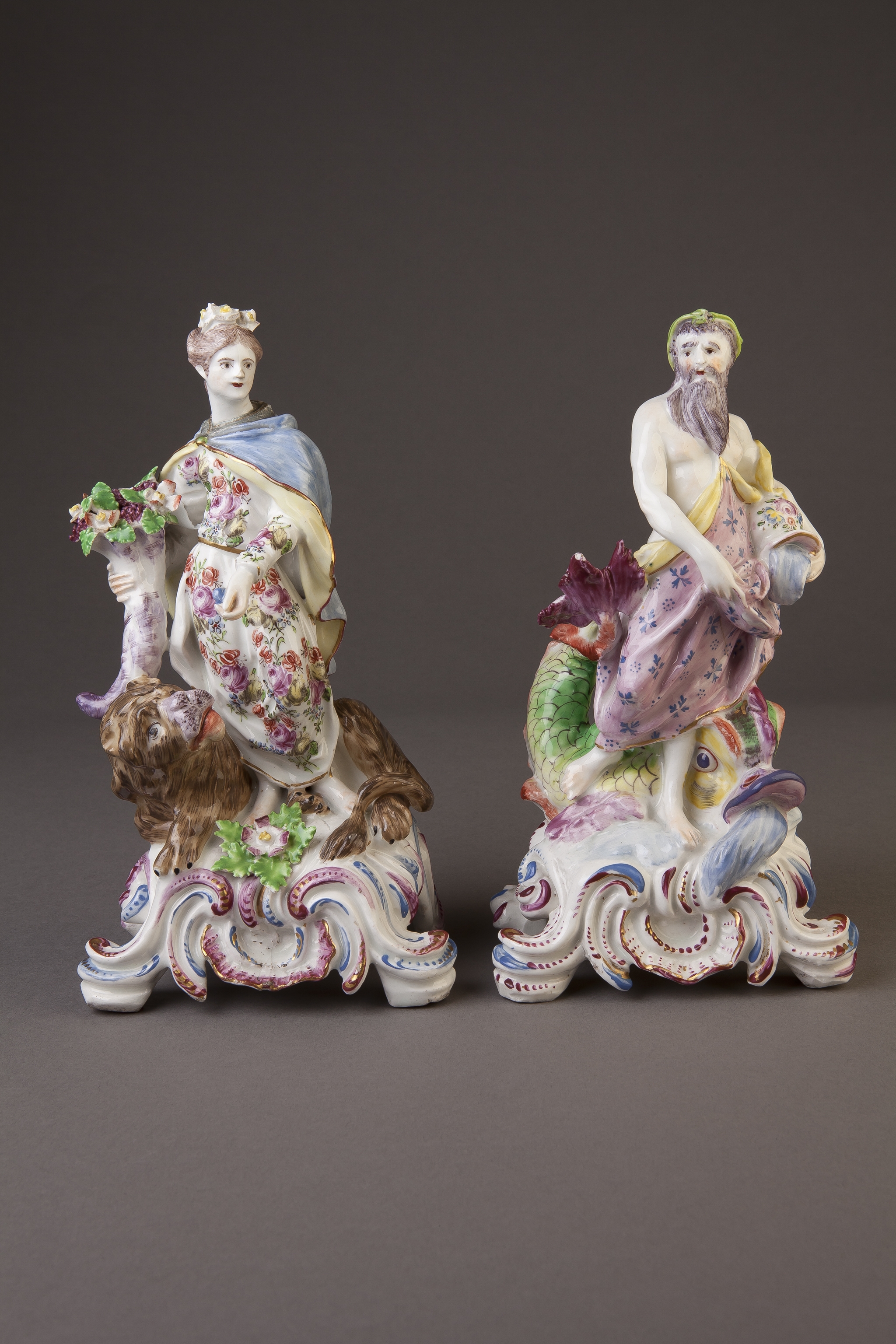
In 2008, Charlotte Stout Hooker, daughter of Warda Stevens Stout, generously gifted her collection of eighteenth and nineteenth-century English and continental ceramics to the Dixon.
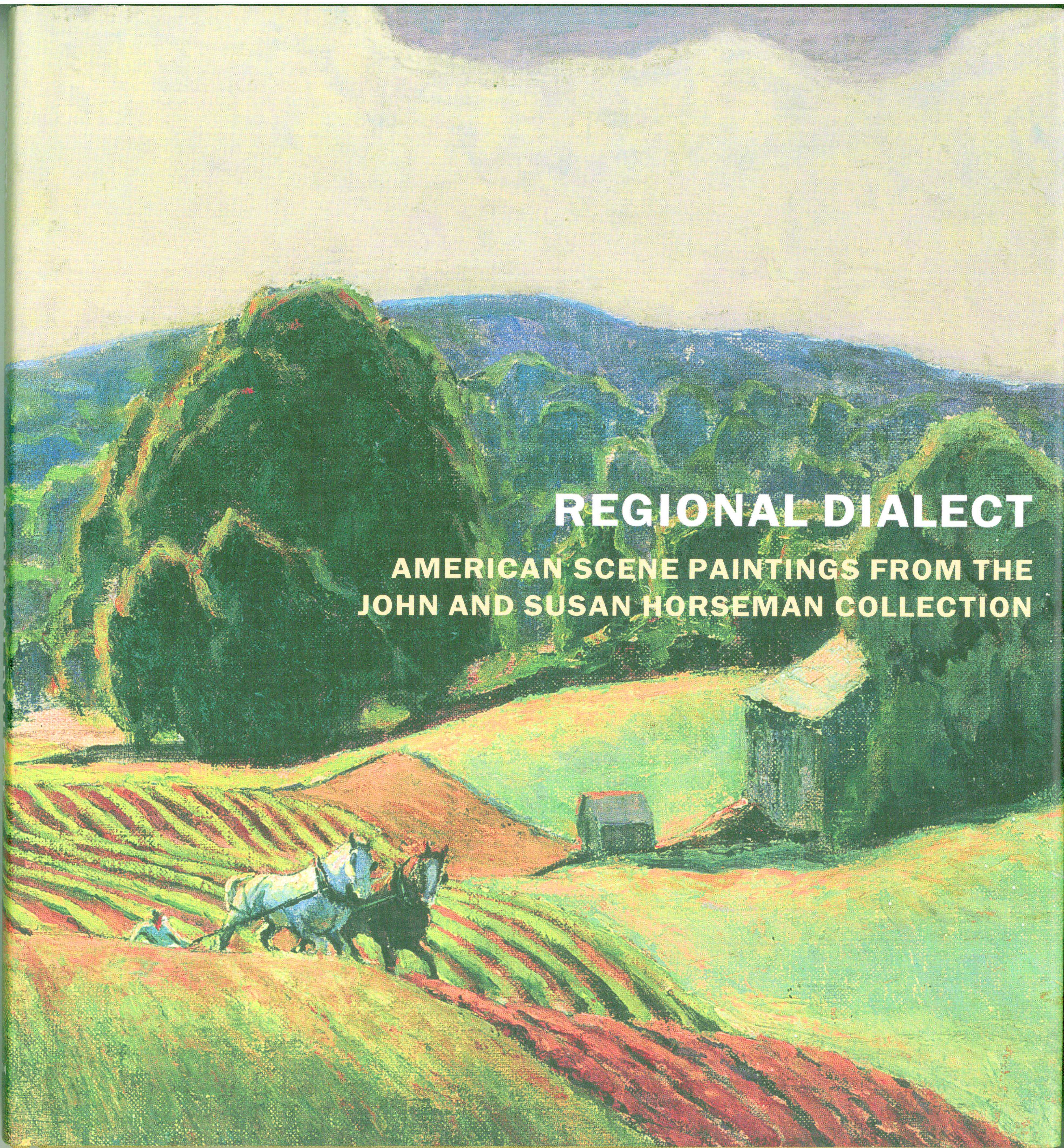
In 2009, the Dixon opened Regional Dialect: American Scene Paintings from the John and Susan Horseman Collection, its first Dixon-organized exhibition in many years.
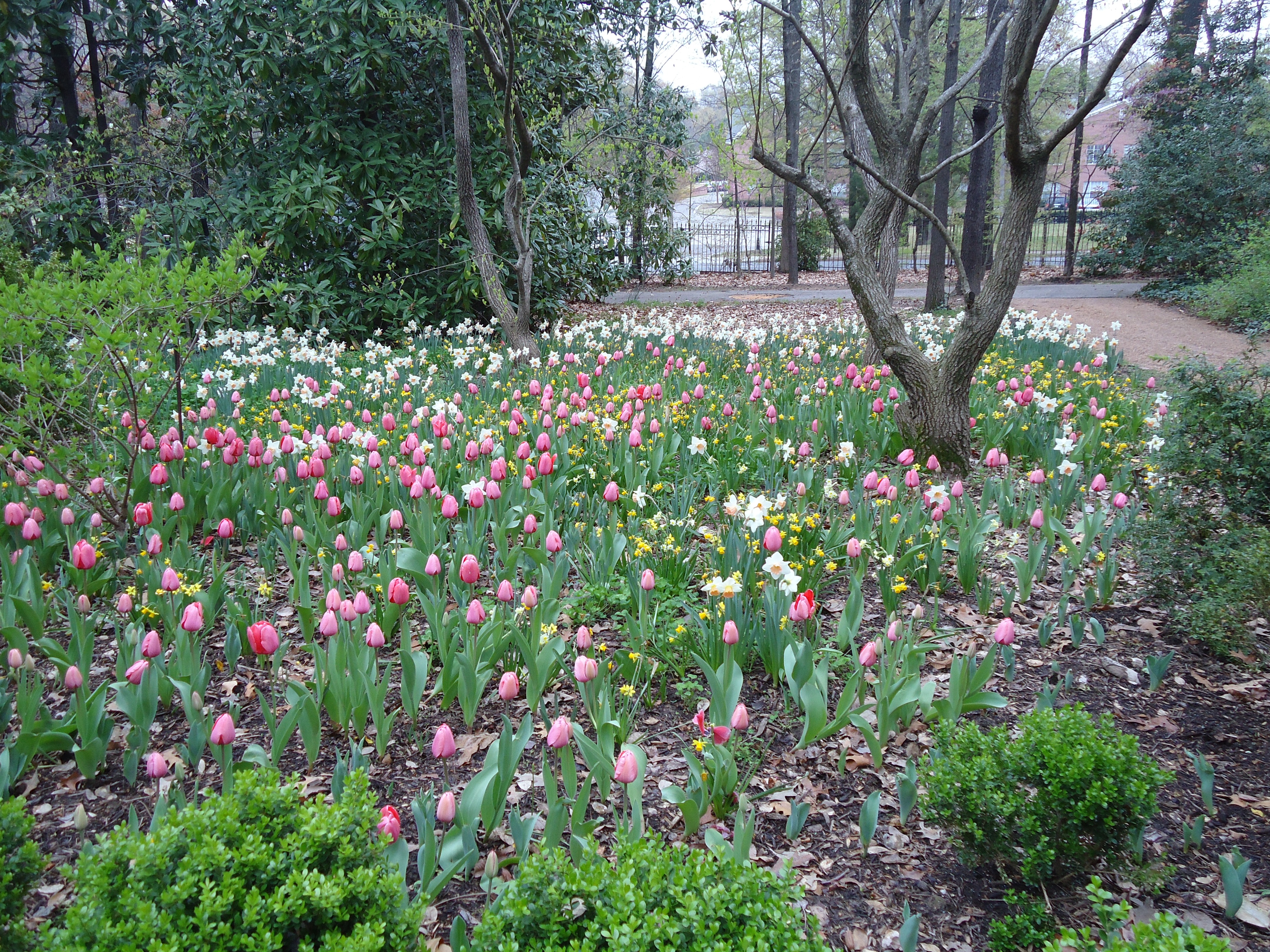
In 2010, the Dixon hosted its first tulip exhibition featuring 10,000 bulbs. That year, Director of Horticulture Dale Skaggs received a Horticulture Commendation from the Garden Club of America, and the museum held its inaugural Art on Fire fundraiser.

In 2011, the Dixon was reaccredited by the American Alliance of Museums. In June, the museum opened Jean-Louis Forain: La Comédie Parisienne, a rare, once-in-a-generation retrospective of the “youngest and most incisive” Impressionist, co-organized with the Petit Palais in Paris.
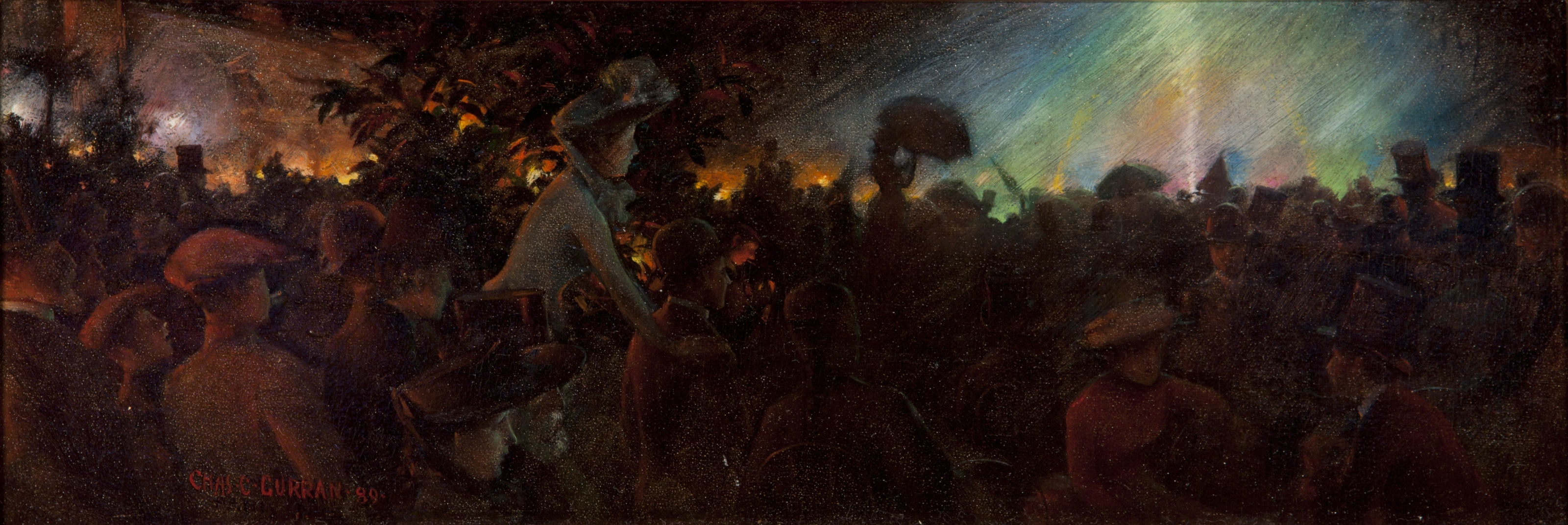
In January 2016, the Dixon Gallery and Gardens celebrated its 40th anniversary. That year also saw the founding of the Curator’s Circle, which held its first dinner in September and made its inaugural purchase for the permanent collection—Evening Illuminations at the Paris Exposition by Charles Courtney Curran.
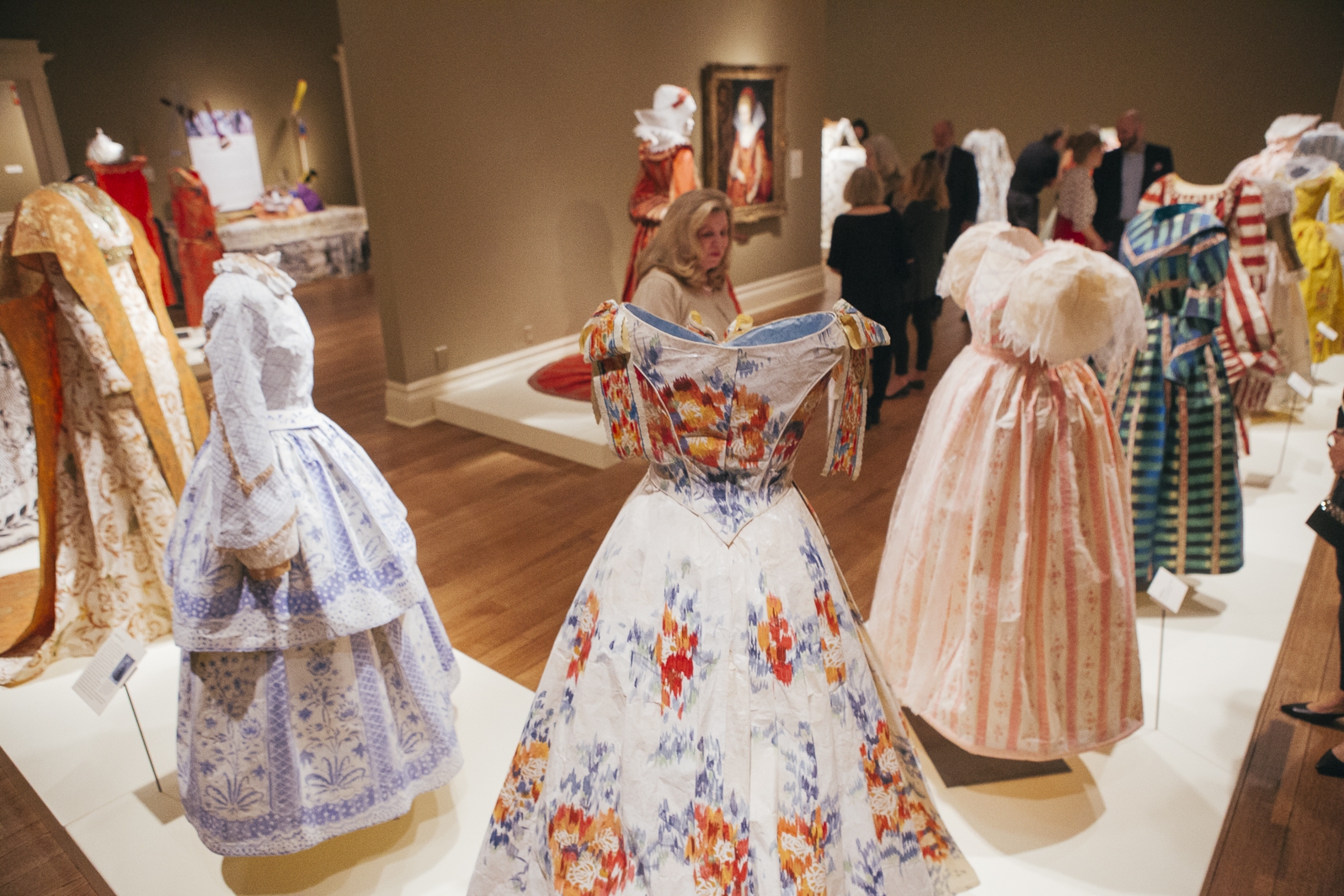
In 2017, the Curator’s Circle acquired Young Woman with a Fan by Henri Gervex and Mrs. Harry Payne Whitney (Gertrude Vanderbilt) by Paul Petrovitch Troubetzkoy for the permanent collection. The Joe Orgill Family Fund for Exhibitions was established, and Susan and John Horseman gifted 29 works from their collection to the Dixon. In October, the museum opened Isabelle de Borchgrave: Fashioning Art from Paper, a major Dixon-organized exhibition of the contemporary Belgian artist that went on to travel to multiple venues nationwide.

In May 2019, the Dixon opened the Liz and Tommy Farnsworth Education Building, expanding its educational facilities and programs.
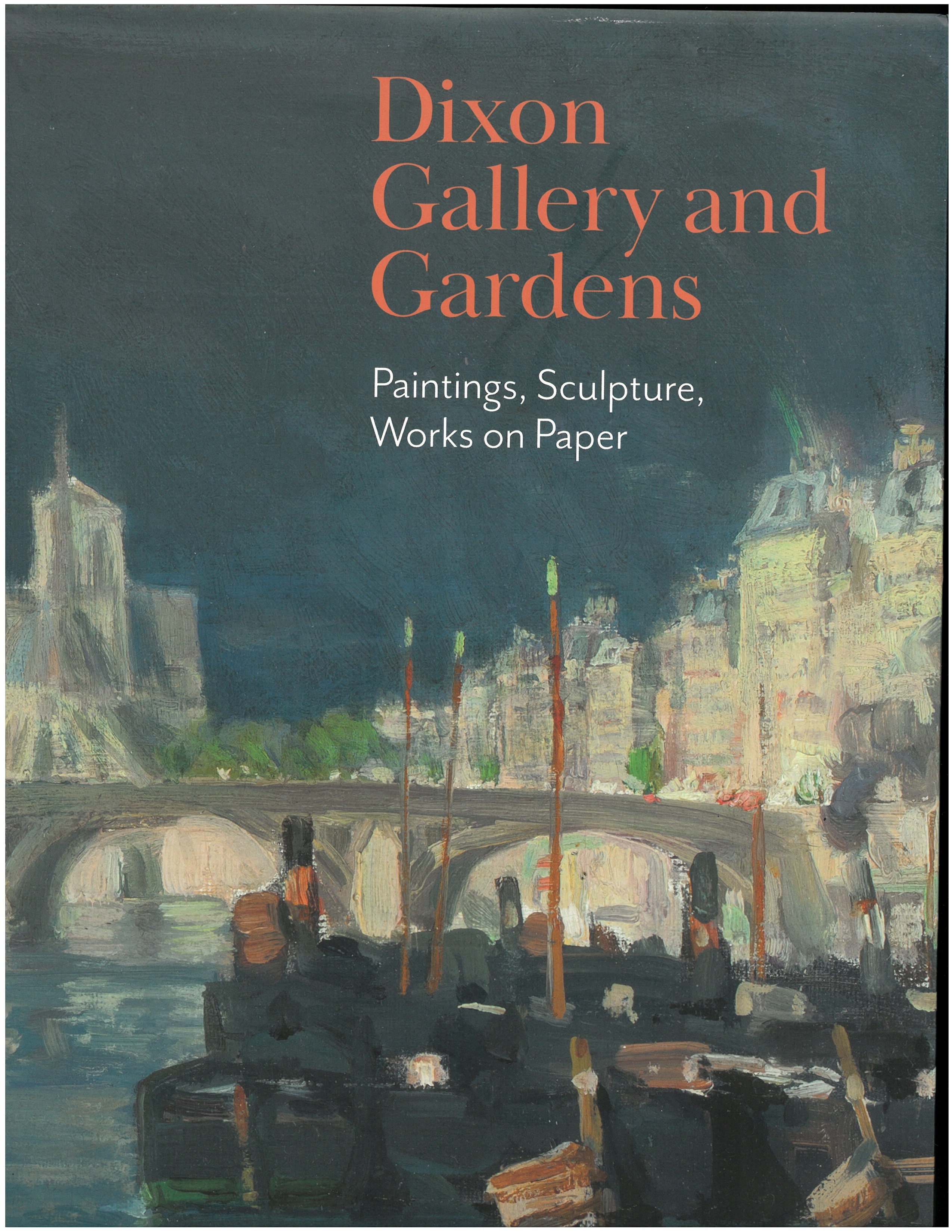
In September 2021, the Dixon published its Collection catalogue, funded by the Curator’s Circle. That same month, the Curator’s Circle acquired Hyacinth Fields in Bloom at the Van Houtte Nursery, Ghent by Adrien Louis Demont for the permanent collection.
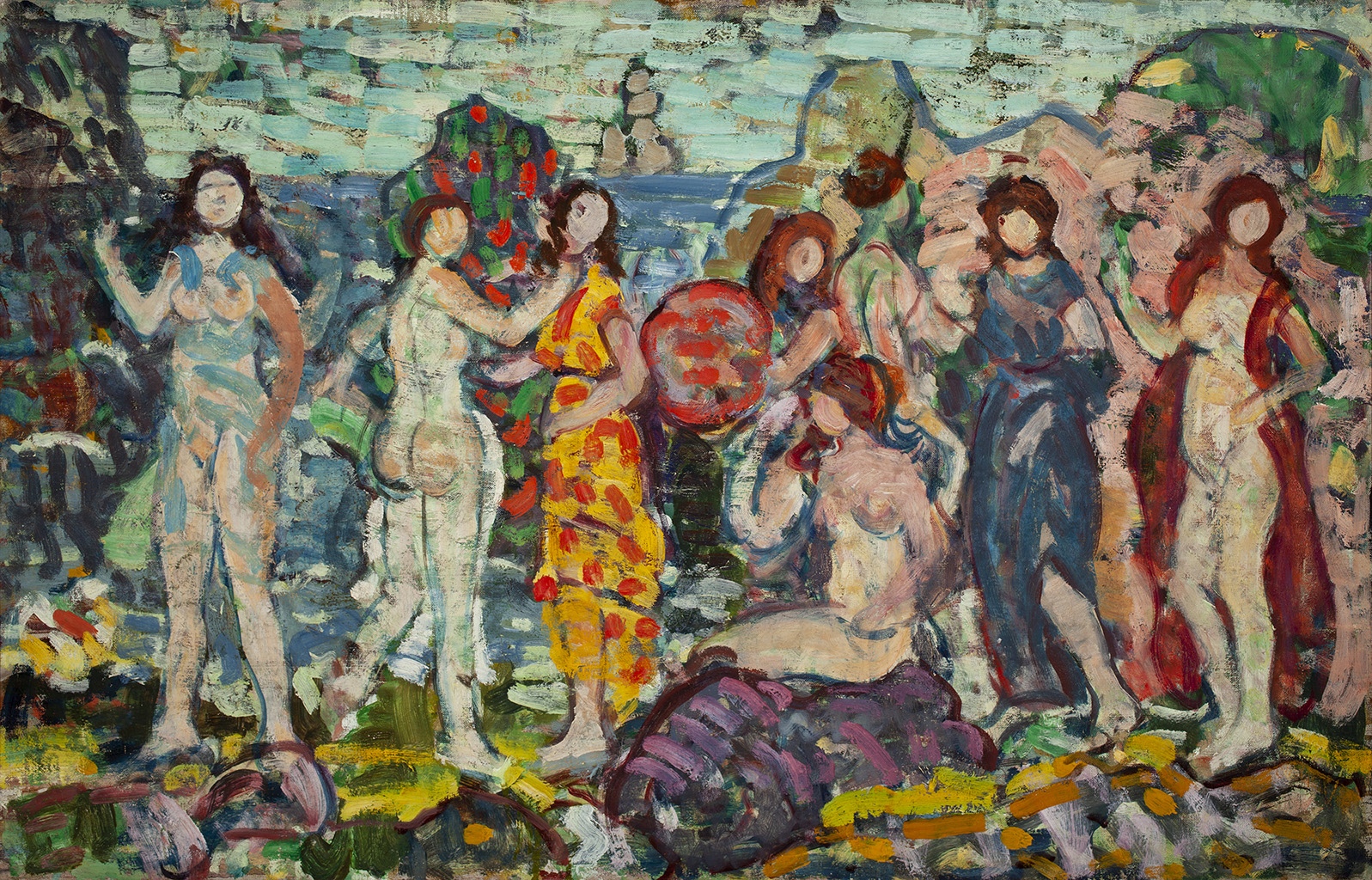
In September 2022, the Curator’s Circle acquired Bathers by Maurice Brazil Prendergast for the Dixon’s fine-art collection.
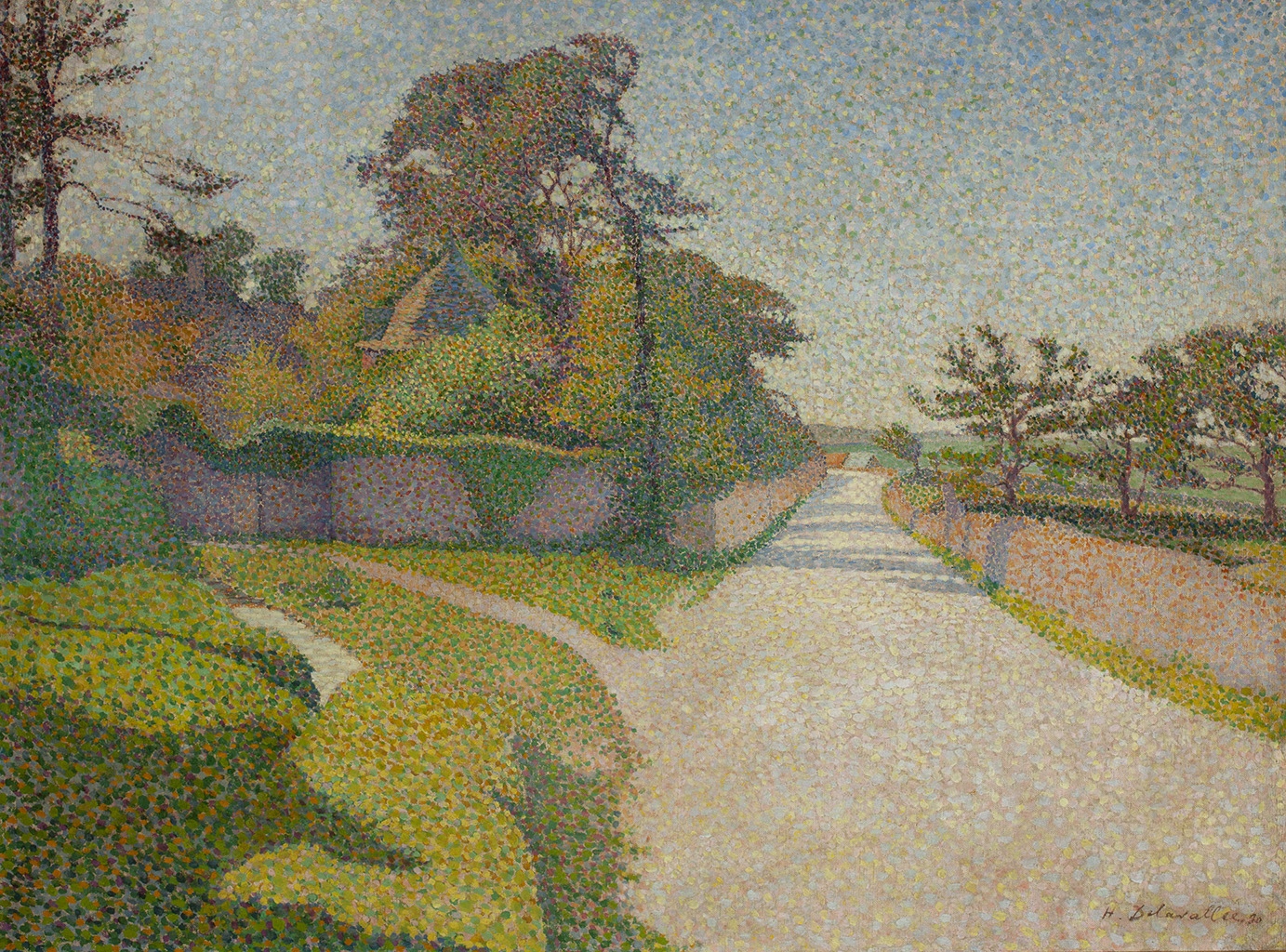
In September 2023, the Curator’s Circle and the Endowment Fund jointly acquired Road near the Manor in Brittany by Henri Delavallee for the Dixon's collection.
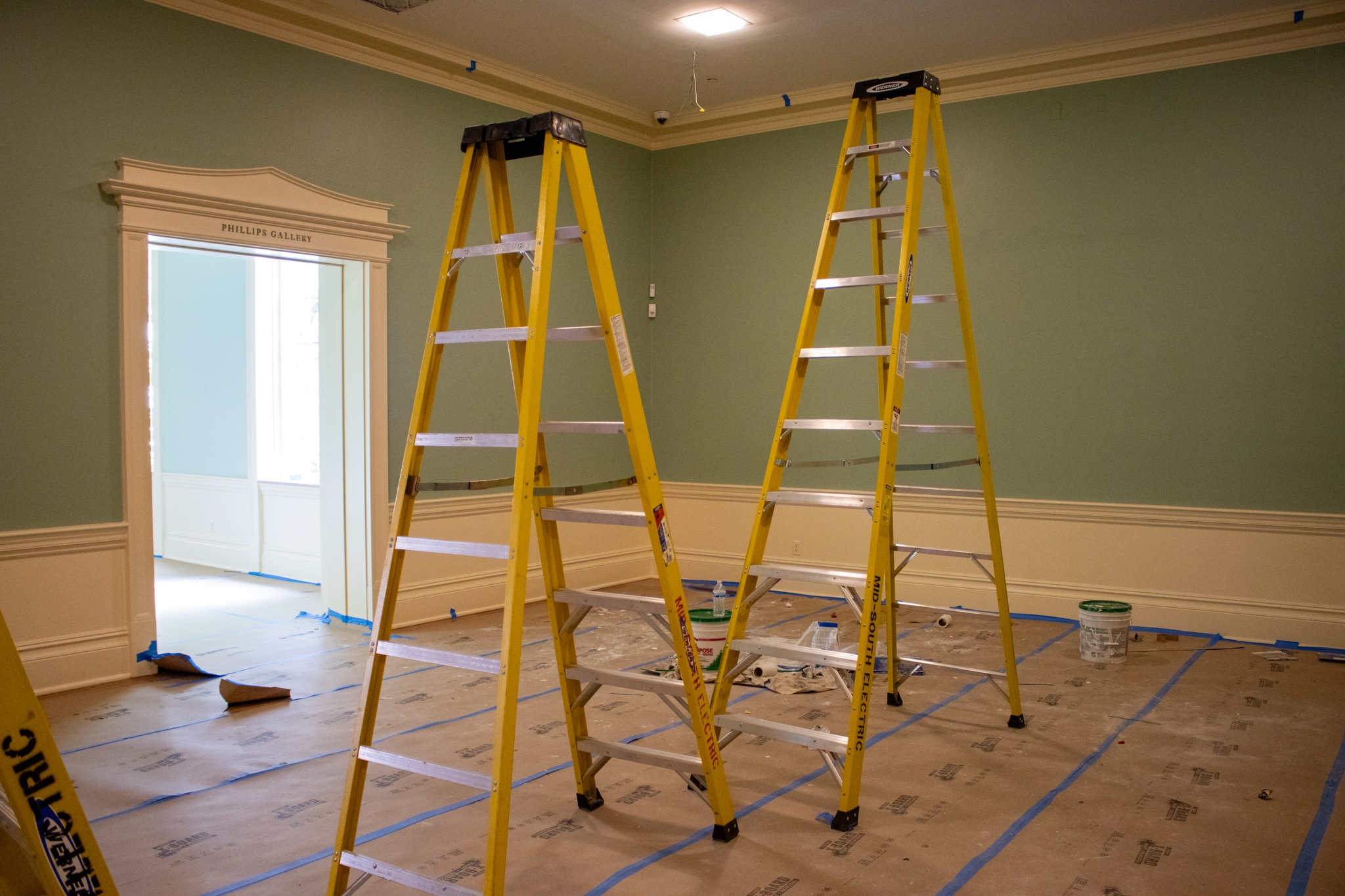
In January 2024, new LED lighting was installed in the Dixon Residence thanks to Debi and Galen Havner. In September, the Curator’s Circle and the Endowment Fund acquired In Rittenhouse Square by Elizabeth Sparhawk-Jones and Young Girl with a Basket by Willard Metcalf for the Gallery. October saw Phase 2 of the LED lighting project, converting the Catmur Foyer, Mallory/Wurtzburger, and Winegardner Auditorium to energy-efficient LED lighting.
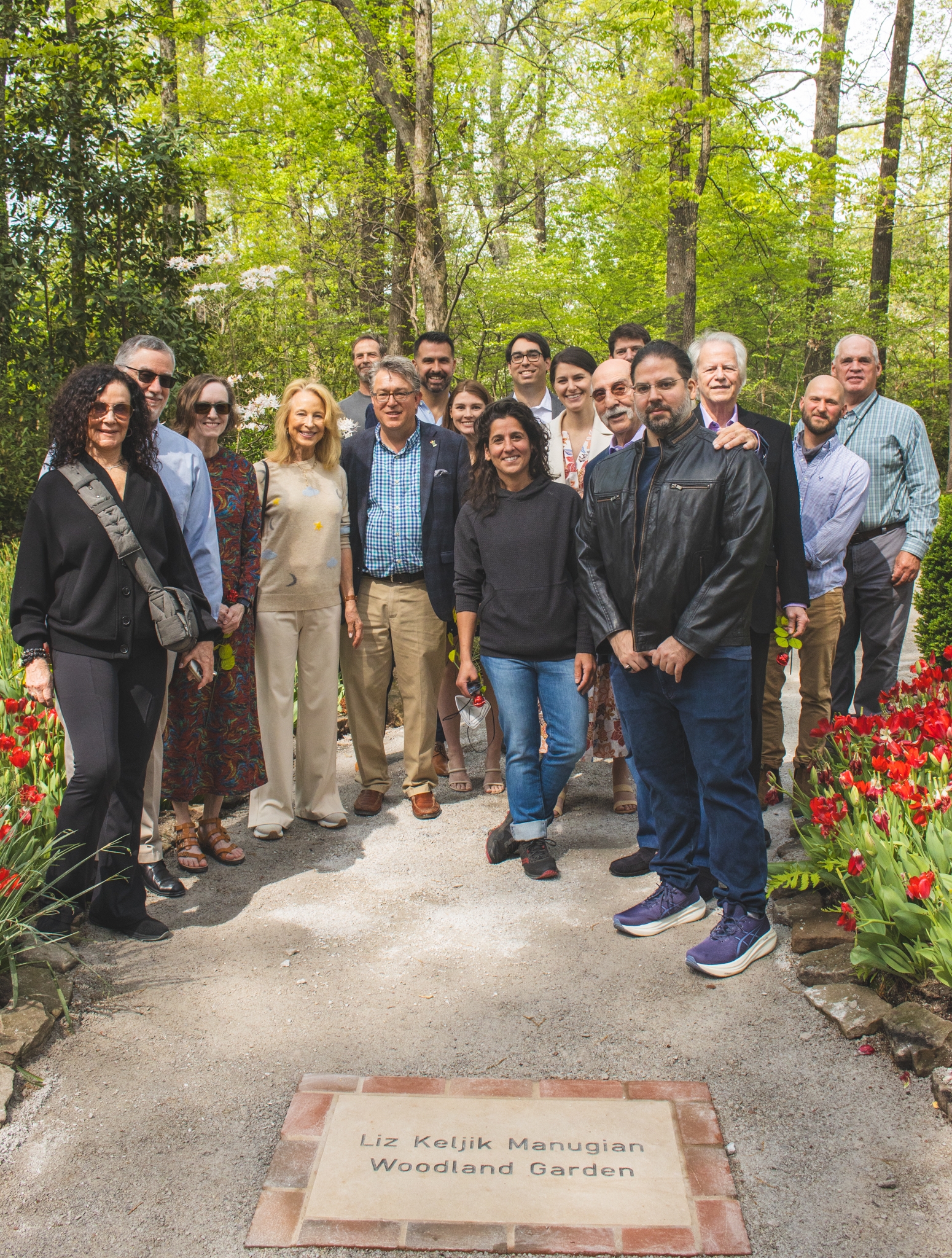
In April 2025, the Woodland Garden was endowed in memory of Liz Keljik Manugian by her husband, Dr. Arsen Manugian, and their children, Suzanne and Andrew. Between April and June, the final phase of the LED lighting project was completed, converting the exhibition galleries to energy-efficient LED lighting.
As we celebrate 50 years of the Dixon, we want to hear from you. Maybe you knew Margaret or Hugo Dixon personally, or someone who did. Maybe you visited as a kid, got married here, or just discovered us last week. Whatever your connection to the Dixon—big or small, recent or decades old—we want to hear about it and we'll highlight these stories as part of our 50th anniversary celebration in 2026.
Submit your Story
Listen to their story
Read their story
Listen to their story
Read their story


Listen to their story
Listen to their story
Read their story
Listen to their story


In celebration of Margaret and Hugo Dixon’s 100th wedding anniversary and the 50th anniversary of the Dixon Gallery & Gardens, we are pleased to offer five complimentary vow exchanges or renewals. These special ceremonies will take place on Monday, April 6 —Margaret and Hugo’s anniversary date — in the beautiful Dixon Gardens.
Couples are invited to apply for this unique opportunity on our website. Recipients will be selected at random. We invite you to join us in commemorating a century of love and the enduring legacy of the Dixon.
How to Enter: Couples submit a short form with their names and a brief note on why they want to exchange or renew their vows at the Dixon. The deadline to enter is November 17, 2025.
Winners will be chosen at random and announced on December 1, 2025.


More than a decade ago, the Dixon planted its very first 10,000 tulip bulbs, beginning a tradition that has blossomed into one of our most beloved seasonal displays. Now, in celebration of our 50th anniversary, we’re planting over 500,000 bulbs across the gardens.
Every event in 2026 will be extra special, but mark your calendars for our community-wide celebration in January and a garden party in March. We hope you will visit often!


